
The Evolution of Autonomous Driving Technology at BMW: A Glimpse into the Future of the Automobile
Introduction
Since its founding, BMW has been synonymous with innovation and engineering excellence. Now, in an era marked by unprecedented technological advances, the Bavarian brand is leading the charge towards a future where cars are not only more efficient and powerful, but also more intelligent and autonomous. But what does autonomous driving really mean for BMW and its enthusiasts? In this article, we will explore the evolution of autonomous driving technology in the brand, its benefits and how it is transforming the way we understand the driving experience. Autonomous driving promises to not only change the way we get around, but also redefine our relationship with vehicles, offering an unprecedented level of convenience and safety.
The Rise of Autonomous Driving at BMW
First Steps towards Autonomy
BMW began its adventure in autonomous driving more than a decade ago. With the debut of the BMW iNext, the brand not only introduced a cutting-edge electric vehicle, but also a suite of advanced technologies that promise to change the game. This model stood out for integrating sensor and radar systems that allow a more advanced level of autonomous driving. These systems include high-resolution cameras and ultrasound sensors that constantly monitor the vehicle's surroundings, allowing for quick and accurate response to changes in traffic.
The iNext was just the beginning. BMW has committed to making autonomous driving a standard feature in future models, democratizing access to a technology that was previously exclusive to high-end luxury vehicles. This commitment is not only reflected in the technology, but also in the design of vehicles that are prepared to support software updates that continually improve autonomous capabilities. This approach ensures that BMW owners can enjoy the latest innovations without having to change vehicles, representing significant long-term savings. Additionally, this strategy allows drivers to always be at the forefront of automotive technology, ensuring that their vehicle is not only relevant today, but also in the future.
Driver Assistance Systems: The Path to Autonomy
To many, autonomous driving still seems like something out of a science fiction movie. However, BMW has been working hard on driver assistance systems that are already in use today and are the foundation on which the brand's autonomous future will be built. These systems not only improve safety, but also make daily driving more comfortable and less stressful. The implementation of these technologies has been gradual, allowing drivers to adapt to the new features and rely on them over time.
- Driving Assistant: A combination of adaptive cruise control and driving assistance, which keeps the vehicle a safe distance from traffic. This system is especially useful on highways, where traffic can be heavy and speeds high. By automatically maintaining a safe distance, it reduces driver stress and improves overall safety. Additionally, the system can adjust the vehicle's speed based on traffic conditions, resulting in a more efficient and enjoyable ride. This type of technology is particularly beneficial during long trips, where driver fatigue can be a critical factor.
- Parking Assistant: It allows drivers to park in tight spaces with ease thanks to perimeter sensors. This system not only guides the vehicle in tight spaces, but can also control the steering wheel and brakes automatically, allowing perfect parking even in the most complicated situations. This is especially beneficial in urban environments, where parking space is limited and traffic is constant. Additionally, Parking Assist can offer a 360-degree view of the vehicle's surroundings, providing an additional layer of safety and confidence when maneuvering in tight spaces.
- Lane Change Warning: Alerts the driver when the car is about to change lanes without signaling. This system is crucial to avoid accidents on multi-lane roads, where an unintentional lane change could be dangerous. Warning is provided through visual and auditory signals, ensuring that the driver is always aware of their surroundings. Additionally, this system can be complemented by Lane Keep Assist, which gently adjusts the steering to keep the vehicle centered in its lane, providing a safer and more relaxed driving experience.
Benefits of Autonomous Driving in BMW
Enhanced Security
One of the biggest benefits of BMW's autonomous driving systems is their potential to improve safety. By reducing human error – which is a leading cause of traffic accidents – these systems can help save lives and reduce injuries on the roads. For example, BMW's autonomous emergency braking system uses cameras and sensors to detect potential collisions, applying the brakes if the driver does not respond in time. This system is especially useful in urban traffic situations, where pedestrians and cyclists may appear suddenly.
Additionally, blind spot detection technology helps prevent collisions when changing lanes by alerting the driver to the presence of vehicles in hard-to-see areas. This feature is particularly useful on highways and during night driving, when visibility is reduced. The combination of these technologies creates a safer driving environment, where the driver can trust that the vehicle is constantly monitoring the environment and taking action to prevent accidents. Importantly, improved safety not only benefits vehicle occupants, but also other road users, contributing to a safer traffic environment for everyone.
Enriched Driving Experience
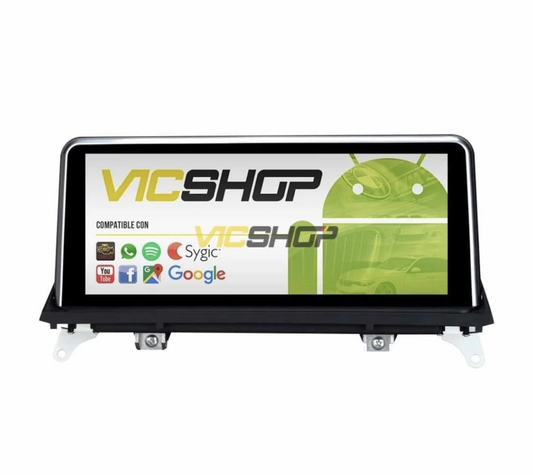
Another big benefit is the improved driver experience. Autonomous systems allow the driver to relax and enjoy the journey, especially during long highway journeys. Furthermore, technologies such as GPS navigator BMW's advanced technology makes travel more efficient by suggesting optimal routes based on real-time traffic data. This system not only considers traffic, but also weather conditions and road works, providing the safest and fastest route possible.
The ability to customize infotainment system preferences also improves the user experience. Drivers can easily adjust audio settings, temperature and interior lighting, creating a driving environment that perfectly suits their personal tastes. Additionally, the integration of virtual assistants allows drivers to interact with their vehicle more intuitively, using voice commands to control various functions without having to take their eyes off the road. This customization extends to the ability to adjust vehicle response, such as steering sensitivity and throttle response, to suit the driver's individual preferences, making each trip unique and tailored to their needs.
Challenges on the Path to Total Autonomy
Regulations and Legislation
Self-driving technology poses significant regulatory challenges. There are still laws that need to be updated to allow for the full implementation of autonomous vehicles on the road. BMW is working with regulatory bodies to overcome these challenges and ensure that its vehicles meet all legal requirements. This includes collaborating on the creation of safety standards that ensure autonomous vehicles operate safely and efficiently in all traffic conditions.
Additionally, public acceptance and trust in autonomous technology are critical to its success. BMW is committed to educating the public about the benefits and safety of autonomous vehicles, organizing demonstrations and test drives that allow users to experience the capabilities of these systems firsthand. Transparency in the development and testing of these technologies is key to building consumer trust and encouraging broader adoption. Collaboration with governments and other industry entities is essential to establish a legal and regulatory framework that supports the safe and efficient deployment of autonomous vehicles.
Technological Failures and Cyber Security
The potential for technical failures and cybersecurity risks are other major obstacles. BMW has dedicated itself to developing robust and secure systems, ensuring that its vehicles are protected against cyber attacks and malfunctions. The continuous development of sensors and protection systems is crucial to maintaining consumer confidence and safety on the road. This includes implementing advanced encryption protocols and regularly updating software to protect against emerging threats.
In addition, BMW is investing in artificial intelligence to improve the ability of its systems to detect and respond to potential threats in real time. This technology allows vehicles to quickly adapt to unforeseen situations, minimizing the risk of accidents. Collaborating with cybersecurity experts and conducting rigorous testing are part of BMW's approach to ensuring its systems are as secure as possible. Cybersecurity not only protects vehicle and user data, but also ensures that critical vehicle systems function properly without interruption, which is vital to consumer confidence in autonomous technology.
The Future of Autonomous Driving at BMW
Innovations to Come
Looking ahead, BMW is exploring a number of innovations that could take autonomous driving to the next level. From the integration of advanced artificial intelligence to partnerships with global technology leaders to develop cutting-edge technology. These collaborations are designed to accelerate the development of fully autonomous vehicles that can operate without human intervention in most traffic conditions.
Furthermore, BMW strives to offer a personalized user experience, where the vehicle adapts to the driver's preferences, learning from their behavior and automatically adjusting the settings. shock absorbers and configuring the system based on your driving patterns. This level of customization not only improves comfort, but also optimizes the vehicle's performance based on the user's driving style. The ability of vehicles to learn and adapt to individual preferences promises a more satisfying and personalized driving experience. Additionally, research in vehicle-to-vehicle (V2V) and vehicle-to-infrastructure (V2I) communication technologies promises to improve traffic efficiency and safety, creating a smarter transportation ecosystem.
Preparing for the Autonomous Era
As BMW enthusiasts, it is crucial to stay informed about these changes and consider how they may impact the way we interact with our vehicles. As more BMW models implement these technologies, drivers will have the opportunity to experience the benefits of autonomous driving firsthand. This includes the ability to participate in upgrade programs that will keep your vehicles up to date with the latest technological innovations.
In addition, BMW is developing online learning platforms and in-person workshops to educate drivers on the effective use of autonomous technologies. These resources are designed to help users maximize the potential of their vehicles, ensuring they can take full advantage of the advanced features available. Continuing education and training are essential for drivers to feel comfortable and confident using the new technologies that BMW is introducing. Preparing for the autonomous era means not only becoming familiar with the technology, but also understanding how these innovations can improve quality of life, from reducing travel time to increasing personal safety and energy efficiency.
Conclusion
Autonomous driving is not just the future of transportation, it is the present. BMW is at the forefront of this technological revolution, ensuring that its vehicles not only meet the highest standards of performance, but are also an integral part of the new era of mobility. With each advancement, BMW reaffirms itself as a leader in the automotive industry, providing drivers with the innovation and driving pleasure they have always expected. So prepare for a future where your BMW not only gets you from one place to another, but does so more safely, efficiently and enjoyable than ever before. The promise of smarter, safer travel is getting closer, and BMW is ready to lead the way into this exciting future. In this context, it is not only about the technology itself, but also about how this technology can be effectively integrated into our daily lives, revolutionizing the way we perceive mobility and redefining what it means to be a driver in the 21st century.