
The Evolution of the Digital Screen at BMW: Innovation and Functionality at the Wheel
Introduction
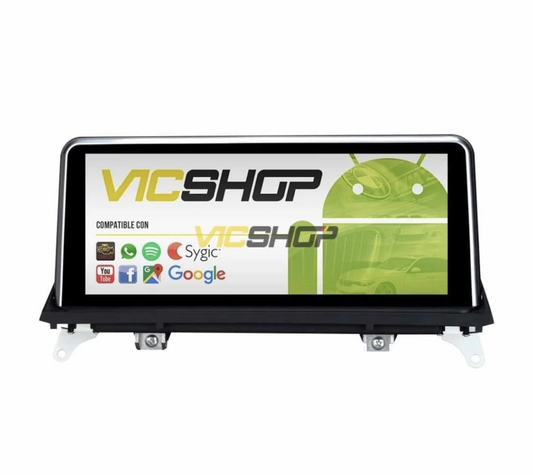
From humble beginnings to its current position as a leader in automotive technology, BMW has proven time and time again that innovation is key to success. One of the most notable transformations in BMW vehicles is the evolution of their digital screens. If you are a BMW enthusiast, you have surely noticed how this technology has changed the way we interact with our cars, offering a unique and modern driving experience. In this article, we will explore how BMW has revolutionized the design of digital displays and what we can expect from this technology in the future. Additionally, you will learn about the best ways to improve your visual experience with Android screens in your BMW.
The History of the Digital Screen in BMW
The introduction of digital displays in BMW vehicles began to gain traction in the early 2000s. Prior to this, most cars relied on analog controls which, while functional, limited the driver's ability to interact with the vehicle. BMW was one of the first manufacturers to understand the potential of digital displays, recognizing their ability to improve the functionality and aesthetics of the car interior.
First Implementations
One of the first models to incorporate digital screens was the BMW 5 Series, which introduced the iDrive system. This pioneering infotainment system allowed drivers to control a variety of vehicle functions from a central screen. Despite initial criticism about its complexity, iDrive ushered in a new era in driver-car interaction. The iDrive system not only offered the ability to manage music and navigation, but also allowed you to adjust vehicle settings, such as climate control and driving mode, all from a single control point. This centralized approach made it easier for drivers to maintain full control of the vehicle without having to divert their attention from the road.
Additionally, iDrive was a pioneer in integrating multiple systems into a single device, allowing BMW to offer a more cohesive and less fragmented experience. This was especially important at a time when automotive technology was beginning to evolve rapidly, and drivers were looking for solutions that could adapt to their changing needs. The ability to update the system's software also meant that BMW owners could benefit from continuous improvements without needing to change vehicles.
Advances in the 2010s
Over the years, BMW continued to improve the technology of its digital displays. In the mid-2010s, we saw the introduction of larger, higher-resolution displays, as well as the addition of features such as 3D maps and connectivity with advanced GPS navigators. These advancements made BMW vehicles not only attractive, but also incredibly functional. The ability to display detailed real-time traffic information and alternative routes based on traffic congestion significantly improved the driving experience, making trips more efficient and less stressful. Additionally, the integration of voice recognition systems allowed drivers to interact with the system without having to take their hands off the wheel, thus increasing safety.
The integration of mobile applications and cloud services also began to play an important role in this decade. Drivers could sync their smartphones with the vehicle's system, allowing access to contacts, music and navigation apps directly from the car's screen. This connectivity not only improved convenience, but also opened the door to new possibilities, such as the ability to receive software and map updates directly over the Internet.
Current Technology in BMW Digital Screens
Today, BMW digital displays are more interactive and intuitive than ever. Recent models such as the BMW 3 Series and X5 are equipped with high-definition touchscreens that offer a fluid and dynamic user experience. Additionally, the integration of virtual assistants and connectivity with mobile devices has elevated the functionality of digital displays to a new level. These systems allow drivers to access a wide range of services, from managing calls and messages to playing music and checking weather information, all without taking their eyes off the road. The ability to customize the user interface to display only the information most relevant to the driver is another feature that has been well received by users.
Featured Features
- High-resolution displays with enhanced graphics, offering exceptional visual clarity even in direct sunlight. This is especially useful during daytime trips, where glare can make conventional screens difficult to read.
- Connectivity with Apple CarPlay and Android Auto, allowing access to mobile applications while driving, making it easier to integrate personal devices into the vehicle system. This ensures that drivers can access their favorite apps, such as maps and music, directly from the dashboard.
- Gesture control for contactless interaction, minimizing distraction while driving and improving safety. This innovative control method allows drivers to perform actions such as adjusting the volume or changing songs with a simple movement of the hand.
- Virtual assistants with natural voice recognition, capable of understanding complex commands and performing tasks such as adjusting the car temperature or searching for specific addresses. This not only improves comfort, but also allows for safer driving by reducing the need to manually manipulate vehicle controls.
Additionally, the ability to update software remotely has made BMW vehicles more adaptable and always up to date with the latest technological improvements. This feature not only extends the life of the infotainment system, but also ensures that drivers have access to the latest features and safety improvements without needing to visit a dealership.
Security Integration
These advances are not just a matter of convenience; Security has been a priority in the design of the screens. The ability to project vital information onto the windshield through a Head-Up Display Helps drivers keep their attention on the road. Additionally, visual and audible alerts ensure that drivers are always aware of their surroundings. For example, the system can alert about vehicles in the blind spot or warn about sudden changes in traffic conditions, allowing a quick and appropriate response. These features not only improve safety, but also contribute to a more relaxed and confident driving experience.
The integration of driver assistance systems, such as adaptive cruise control and lane keep assist, has also benefited from improvements in digital displays. These systems use sensors and cameras to monitor the vehicle's surroundings and provide visual and haptic alerts to the driver, helping to prevent accidents and improve overall safety on the road.
The Future of Digital Screens at BMW
With technology advancing in leaps and bounds, the future of digital displays at BMW promises to be even more exciting. The next generation of BMW vehicles is considering the integration of artificial intelligence to anticipate the driver's needs even before they arise. Additionally, the screens are expected to be even more customizable, allowing users to tailor the interface to their individual preferences. This could include the ability to adjust the screen layout, choose the most relevant widgets, and customize colors and themes for a truly unique experience. Customization is not only limited to visual appearance, but also extends to functionalities, allowing drivers to configure shortcuts for functions they use frequently.
The Promise of Augmented Reality
One of the most promising technologies is augmented reality (AR). By integrating AR into digital displays, BMW plans to offer drivers real-time information about traffic, weather conditions and more, overlaid directly over their view of the road. Imagine receiving navigation directions that appear to float above the road, intuitively guiding you to your destination. This technology will not only improve safety by reducing the need to take your eyes off the road, but will also make the driving experience more immersive and futuristic. Additionally, augmented reality could make vehicle maintenance easier by providing visual instructions for performing basic maintenance tasks right on the windshield.
The possibility of integrating augmented reality with autonomous driving systems is also an exciting prospect. This could allow BMW vehicles to offer a semi-autonomous driving experience, where the driver and vehicle work together more efficiently to navigate traffic and road conditions.
Conclusion
The evolution of digital displays in BMW vehicles is a testament to the brand's dedication to innovation and continuous improvement. From the early days of the iDrive system to today's interactive displays, BMW has proven that it is at the forefront of automotive technology. As we look forward to the future, we can be sure that BMW will continue to redefine the driving experience. Don't miss the opportunity to equip your BMW with the best screens on the market and enjoy every kilometer to the fullest!
In short, digital screens have not only transformed the way we interact with our vehicles, but have also significantly improved safety and comfort behind the wheel. With each new generation of technology, BMW continues to set higher standards, ensuring that its vehicles are not just a means of transportation, but an intelligent, personalized extension of our lifestyle. So whether you're considering upgrading your current system or simply want to stay on top of the latest innovations, BMW offers a world of possibilities to enhance your driving experience. The constant evolution of these technologies ensures that BMW drivers will always have access to the most advanced tools for safe, efficient and enjoyable driving.