
The Journey of the BMW 5 Series: Innovation and Elegance in Every Generation
Since its initial launch in 1972, the BMW 5 Series has been a representation of constant innovation and precise elegance in the automotive world. For those of us who are passionate about BMW, each new generation not only means an advance in design and technology, but also an evolution of what it means to drive an efficient and luxurious vehicle. In this article, we will take a journey through the generations of the Series 5, exploring its technological advances, its impact on the market and how it has managed to maintain its elegant status over the years.
First Generation (1972-1981): The Birth of a Legend
The history of the BMW 5 Series begins with the E12 model, a vehicle that from its beginning set the tone for what the series would become: a perfect balance between sportiness and comfort. The E12 was the first to use BMW's modern naming system, which included three digits: the first number indicating the model series (5), and the next two outlining the engine capacity in liters.
This generation presented innovative features for the time such as the brake system designed to improve safety and performance. Engines were another strong point of the E12, with a range including four- and six-cylinder options delivering exceptional performance for its time. The E12's design was not only attractive but also aerodynamic, helping to improve fuel efficiency, a crucial aspect in the 1970s.
Technical Evolution
The E12 not only revolutionized the market with its design, but also set new technical standards for executive sedans. It is important to remember that, for the first time, customers were able to enjoy modern amenities such as electric windows in a vehicle of this category. Additionally, the E12 introduced suspension improvements that provided a smoother, more comfortable ride, something long-distance drivers greatly appreciated.
Second Generation (1981-1988): Improved Technology and Comfort
With the launch of the E28, BMW refined what it had already established with the E12. This generation was notable for incorporating cutting-edge technology for the time, including a more efficient fuel injection system, which improved both performance and fuel economy. Additionally, the E28 was the first 5 Series to offer a automatic transmission, broadening its appeal to a broader audience. This change was significant as it allowed more people to enjoy the BMW driving experience without worrying about manual gear shifting.
Security and Performance
One notable aspect of the E28 was the focus on safety. The model introduced advanced systems such as traction control and anti-lock brakes (ABS), which significantly increased driving safety. These advances formed the basis for the lasting trust that drivers have in BMW today. Additionally, the E28 also offered airbags as an option, a significant advancement in vehicle safety that was beginning to become more common in the automotive industry.
Third Generation (1988-1996): The Age of Electronics
The E34 is remembered as the generation that took control of electronics, integrating a technical sophistication never before seen in the field of executive sedans. Under the hood, the E34 offered a wide variety of engines, from four-cylinder to powerful V8, adapting to different tastes and needs. This diversity of options allowed buyers to customize their 5 Series to their performance and economy preferences.
A revolutionary feature was the introduction of the self-leveling suspension system, which provided unparalleled ride quality. Additionally, drivers could personalize their driving experience with various driving options. suspension adaptive, allowing comfort and sportiness to be adjusted to taste. Electronics also allowed the incorporation of more advanced navigation systems and climate controls, improving the user experience on each journey.
Fourth Generation (1996-2003): Innovation and Style
The arrival of the E39 marked a significant change in the design and technology of the 5 Series. This model was characterized by its aluminum chassis, which reduced the weight of the vehicle and improved fuel efficiency. Additionally, the E39 was one of the first in its class to offer a stability control system, which helped prevent skidding and improved safety in adverse driving conditions.
The E39's interior was also a step forward in terms of luxury and comfort. With high-quality materials and an ergonomic design, the cabin provided a pleasant and sophisticated driving experience. Advanced sound systems and connectivity options made the E39 a pioneer in integrating entertainment technology into cars.
Fifth Generation (2003-2010): The Era of Modern Design
The E60 introduced a bolder and more modern design, with more aggressive lines and an aesthetic that divided opinions but, without a doubt, left a mark in the history of the 5 Series. This model was also a pioneer in the introduction of the iDrive system, which centralized the control of vehicle functions through a single interface, simplifying the driver's interaction with the car's technology.
Safety continued to be a priority, with the addition of advanced driver assistance systems such as adaptive cruise control and lane departure warning. These systems not only improved safety, but also contributed to a more relaxed and comfortable driving experience.
Sixth Generation (2010-2017): Efficiency and Sustainability
With the F10, BMW focused on efficiency and sustainability, introducing more efficient engines and hybrid options that reduced emissions without sacrificing performance. This focus on sustainability was a reflection of global trends toward greener vehicles and growing consumer demand for more environmentally responsible options.
The F10 also improved the vehicle's aerodynamics, contributing to better fuel efficiency and reduced wind noise, resulting in a quieter and more comfortable driving experience. Driver assistance technology continued to evolve, with the inclusion of automatic parking systems and rear-view cameras that facilitated complex maneuvers.
Conclusion: The Future of the Series 5
As we look to the future, the BMW 5 Series remains a constant benchmark in the automotive world. Each generation has brought us not only technological advances and performance improvements, but also an emotional connection with the driver that few vehicles achieve. From the first E12 model to the most modern versions, the 5 Series represents the best of BMW: innovation, performance and an unwavering commitment to quality. Without a doubt, the future of this iconic series is bright, and those of us who are BMW fans look forward to witnessing its next evolution.
If you are considering upgrading your Series 5 or need spare parts to keep it in optimal condition, do not hesitate to explore our wide range of products specifically designed for each generation of this magnificent series. From advanced braking systems to adaptive suspension components, our selection ensures your BMW 5 Series remains at the peak of its performance, reflecting the excellence and legacy of this legendary vehicle line.
Installation of Reversing Cameras in BMW 5 Series
Installing backup cameras on a BMW 5 Series is an upgrade that many owners consider to increase safety and convenience when parking. Although some newer models already come equipped with this type of technology, older models can greatly benefit from this update. Installing a backup camera not only provides a technological upgrade, but can also increase the resale value of the vehicle, making it more attractive to future buyers.
Benefits of Reversing Cameras
Backup cameras provide a clear view of what's behind the vehicle, which is especially helpful in parallel or tight parking situations. Additionally, these cameras can help prevent accidents by alerting the driver to obstacles that may not be visible from the side or rearview mirrors. This type of technology is especially valuable in urban environments where space is limited and visibility may be compromised by other vehicles or structures.
Another significant benefit is the ability of these cameras to reduce parking stress. For many drivers, parking maneuvers can be a source of anxiety, especially in congested urban areas. With the help of a reversing camera, these maneuvers become easier and safer. Additionally, in low visibility situations, such as at night or in poor weather conditions, the backup camera can provide an additional level of safety by offering a clear, direct view of the area behind the vehicle.
Considerations Before Installation
Before proceeding with the installation of a reverse camera on a BMW 5 Series, it is crucial to consider some important aspects. First, it is essential to ensure that the camera system is compatible with the specific model and year of the vehicle. Although many cameras are universal, some may require specific adapters or modifications to work properly with the car's electrical system. Additionally, it is important to check if the vehicle already has pre-installations for cameras, which could simplify the installation process.
Furthermore, it is advisable to opt for high-quality cameras that offer clear and sharp images. A low-resolution camera may not provide the clarity needed to maneuver safely. It is also important to consider the location of the camera; Ideally, it should be mounted in a location that offers the best possible view without being exposed to damage or excessive dirt. The durability of the camera is also a factor to consider, especially if the vehicle is used in extreme weather conditions.
Installation Process
Installing a backup camera can vary in complexity depending on the vehicle model and the type of camera. In general, the process includes the following steps:
- Camera Selection: Choose a camera compatible with the BMW 5 Series and that offers the desired features. It is advisable to research the options available on the market and read reviews from other users to ensure you choose a reliable and good quality camera.
- Vehicle Preparation: Clean the area where the camera will be installed and ensure that all electrical components are disconnected to avoid short circuits. This also includes verifying that the area is free of dust and grease to ensure a safe installation.
- Camera Mount: Install the camera at the rear of the vehicle, usually near the license plate, making sure it is securely fastened. It is important that the camera is aligned correctly to provide a clear and accurate view.
- Cable Connection: Connect the camera cables to the vehicle's electrical system, following the manufacturer's instructions to ensure correct installation. This may include connecting to the reverse light so that the camera activates automatically when you put the vehicle in reverse.
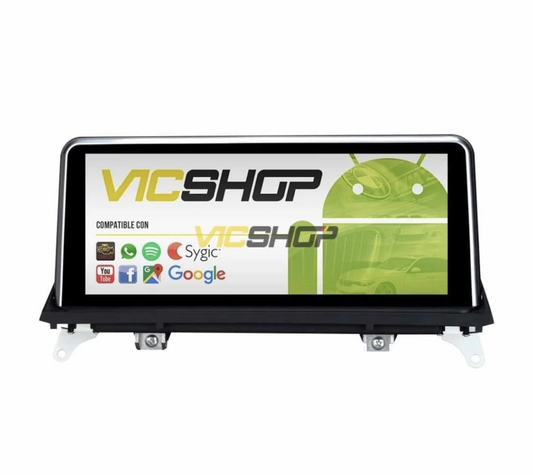
- Integration with the Screen System: Ensure that the camera is properly connected to the vehicle's display system so that images are displayed clearly. This may require installing additional software or configuring the display to recognize the new video input.
- Tests and Adjustments: Test the camera to make sure it works properly and adjust the viewing angle if necessary. It is advisable to test in different lighting conditions to ensure that the camera works well both day and night.
Tips for a Successful Installation
To ensure a successful installation, it is advisable to follow some practical tips. First, it is always best to follow the manufacturer's instructions to the letter. Each camera system may have specific requirements, and following the instructions will help avoid problems.
If you don't feel comfortable doing the installation yourself, consider hiring a professional. An experienced installer will not only ensure that the camera is installed correctly, but will also be able to offer additional advice on maintenance and optimal use of the system. Additionally, a professional can help diagnose and resolve any problems that may arise during or after installation.
Finally, after installation, it is important to perform extensive testing to ensure that the camera works properly in different lighting and weather conditions. This will help ensure that the system is reliable in all driving situations. Additionally, performing regular maintenance, such as cleaning the camera lens and checking electrical connections, can extend the life of the system and ensure optimal performance.
Installing a backup camera on a BMW 5 Series not only improves safety, but also increases the value of the vehicle by adding a modern and desirable feature. With proper preparation and attention to detail, this upgrade can be a valuable investment for any 5 Series owner. Additionally, this upgrade can provide greater peace of mind for the driver, knowing they have an additional tool to avoid accidents and maneuver with confidence in any situation.